Review: Coffee Teach Repeat SVG for Embroidery
As a designer who spends more time staring at stitch simulations than I do sleeping, I have learned to be skeptical of trendy digital assets. We see thousands of files pass through our inboxes, promising the next big hit for our craft business. But when I opened the Coffee Teach Repeat SVG Teacher SVG from DigitalDesignsSVGBundle, I paused. It wasn’t just another generic clipart file; it was a statement piece with clear commercial potential. However, liking a design on a screen is vastly different from seeing it hold up under the needle. I decided to put this Graphics asset through its paces to see if it truly belongs in a professional embroidery project.
First Impressions and Visual Personality
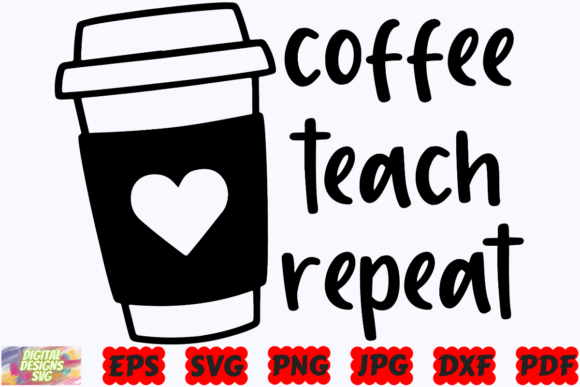
The immediate mood of this design is warm, relatable, and slightly humorous. It taps into the universal teacher experience: the reliance on caffeine to get through the day. Visually, the layout is balanced. The typography appears bold enough to remain legible, which is crucial when we are dealing with thread rather than ink. For those of us in the Crafts sector, we know that delicate serifs often disappear into the fabric pile. This design seems to avoid that pitfall, offering clean lines that suggest it will translate well into both satin stitch borders and fill stitch bodies.
The theme is evergreen. Teachers are a massive demographic for personalized gifts, and this design fits perfectly into the niche of appreciation gifts, end-of-year presents, or back-to-school morale boosters. It feels less like a temporary trend and more like a staple item for any Etsy seller specializing in educator-themed goods.
Real-World Application: The Tote Bag Test
To evaluate its real-life performance, I visualized this design on a heavy canvas tote bag. This is a popular small shop product because it is practical and offers a large, flat surface for stitching. In this scenario, the Coffee Teach Repeat SVG Teacher SVG shines. The horizontal orientation of the text allows it to sit comfortably across the center of the bag without requiring excessive hoop jumps or complex re-positioning.
I also considered its application on a unisex sweatshirt. Sweatshirt embroidery requires careful attention to stitch density. If the design is too dense, the fabric puckers; if it is too light, the garment shows through. Based on the visual weight of the SVG, I suspect this design would require a medium-density fill to ensure opacity without creating a stiff, cardboard-like patch on the chest. For a personalized gift, adding a teacher’s name below the main graphic in a simpler font could elevate the perceived value, turning a standard item into a bespoke keepsake.
Versatility Across Products
Beyond totes and sweatshirts, this design has legs in other areas. Imagine it as an embroidered patch sewn onto a denim jacket or a canvas apron. The bold lines would stand out against textured denim, providing a nice contrast. It could also work on kitchen towels, provided the stitching is adjusted to accommodate the loose weave of typical linen or cotton toweling. For holiday embroidery projects, such as Christmas gifts for staff, this design serves as a neutral yet thoughtful option that doesn’t scream "seasonal," allowing it to be worn year-round.
Technical Considerations for Stitching
While the aesthetic is strong, the technical execution is where many digital files fail. Since this is an INSTANT and DIGITAL DOWNLOAD from DigitalDesignsSVGBundle, we are working with vector-based SVGs that need to be digitized or converted for machine use. Here is what you need to watch for:
- Fabric Texture and Stability: On stretchy fabrics like jersey knits, this design will need a robust cut-away stabilizer. Without it, the tension of the stitches will distort the letters, making "Teach" look like "Teech." Always test on scrap fabric first.
- Small Details and Corners: If the design includes small decorative elements like coffee steam or cup handles, check their size relative to your needle. Tiny details can bunch up or break during high-speed stitching. You may need to simplify these elements or increase their size slightly in your digitizing software.
- Thread Color Contrast: This design relies on readability. Using low-contrast thread colors, such as beige on white or dark brown on black, might obscure the message. I recommend testing high-contrast combinations, like navy on cream or rust on oatmeal, to ensure the text pops.
- Hoop Size Constraints: Before committing, confirm the final dimensions of your stitched output. If you are aiming for a baby embroidery item, like a onesie, you may need to scale the design down significantly. Ensure that the smaller version still maintains legibility. Thick lines can merge when scaled down too far.
Commercial Viability and Brand Consistency
For commercial embroidery professionals, consistency is key. This design offers a clean, modern look that aligns well with boutique branding. It does not look cluttered or amateurish, which helps build customer trust. When a buyer sees a crisp, well-stitched design, they perceive higher value. This translates directly to better engagement and higher price points for your handmade product listings.
However, remember that this is a digital file. No physical item is sent. You are responsible for the digitization process unless the bundle includes pre-digitized formats. If you are selling finished items, ensure you have the appropriate commercial license. If you are selling the design itself as a digital embroidery file, verify the redistribution rights. Clarity here protects your craft business from legal issues and ensures professional integrity.
Final Verdict for Designers
The Coffee Teach Repeat SVG Teacher SVG is a solid addition to your library of design assets. It is versatile, emotionally resonant, and visually structured for successful stitching. It works best on stable, medium-to-heavy weight fabrics where the stitches can lay flat and true. Avoid using it on highly textured or slippery materials without extensive testing and proper stabilization.
My advice? Create a printable mockup first to visualize the colorways. Then, stitch a sample on your most common fabric type. Check the back of the hoop for excessive thread buildup, which indicates density issues. If the sample looks clean and the text is sharp, you have a winner. This design has the potential to become a bestseller for custom apparel and gifts, provided you respect the technical limits of your machine and materials. It is a practical, profitable choice for the modern maker.