Review: Spreading Knowledge Teacher SVG for Embroidery
As a designer who has spent countless hours digitizing and testing files for real-world application, I approach every new Spreading Knowledge Teacher SVG with a critical eye. We are not just looking at pretty lines on a screen; we are evaluating how these vectors translate into thread, fabric, and ultimately, a tangible product that holds value for the end user. The teaching profession is one of the most resilient markets in the handmade sector, but it is also saturated. To stand out, your design assets must offer more than just a slogan—they must offer technical reliability and aesthetic warmth.
First Impressions and Visual Personality
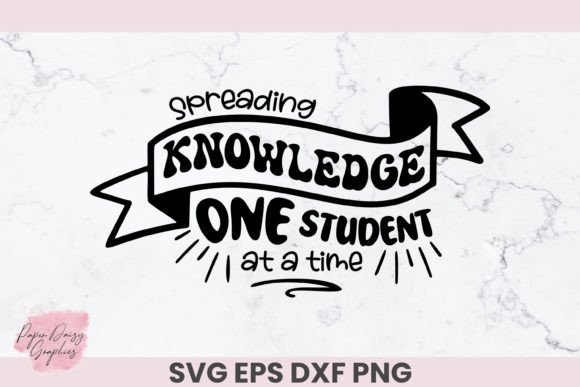
The first thing that strikes me about the Spreading Knowledge One Student at a Time Teacher SVG is its balanced layout. In the world of Graphics and vector art, balance is everything. This design does not scream for attention with chaotic elements; instead, it invites the viewer in with a sense of calm professionalism. The typography appears clean and legible, which is crucial when you are dealing with text-heavy designs intended for apparel or home decor.
The mood created here is one of appreciation and dignity. It avoids the cliché cartoonish styles often seen in lower-quality Crafts categories, opting instead for a refined look that appeals to modern educators. For an embroidery designer, this means the potential for high-end positioning. You are not just making a shirt; you are creating a piece of wearable pride. The visual personality suggests that this file is best suited for projects where clarity and elegance are prioritized over excessive decoration.
Real-World Application: The Custom Tote Bag Scenario
To truly understand the utility of this file, let us walk through a realistic scenario. Imagine a local school is holding a fundraiser, or perhaps a parent wants a unique personalized gift for their child’s favorite educator. You decide to use the Spreading Knowledge Teacher SVG on a heavy canvas tote bag. This is a classic tote bag design application, but it comes with specific challenges.
Canvas is a textured, sturdy fabric. When you load this design into your embroidery software, you must consider how the lines will interact with the weave. If the design includes thin lines or intricate details, they might get lost in the texture of the canvas. However, assuming the vector paths are clean, this design should hold up well. The phrase "One Student at a Time" implies a narrative of patience, which pairs beautifully with the slow, deliberate nature of embroidery itself. The resulting finished product feels substantial and thoughtful, likely to be used daily by the teacher, thereby increasing brand visibility for your small shop.
Performance on Apparel and Textiles
Moving beyond totes, let us consider custom apparel. A fleece-lined hoodie or a structured sweatshirt is a prime candidate for this design. This is where sweatshirt embroidery shines. The loft of the fleece provides a soft background that can make the stitches pop, provided you manage your stitch density correctly. If the design is too dense, it will create a stiff patch that pulls on the fabric, causing distortion. If it is too light, the fabric might show through the threads.
For baby embroidery projects, such as a onesie or a soft blanket, caution is required. While the sentiment is sweet, you must ensure that any backing or stabilizer used is soft against sensitive skin. The design’s layout should be checked for any sharp corners or tiny elements that could become scratchy or unravel after frequent washing. In these cases, simplifying the stitch types—perhaps using a running stitch for outlines rather than a thick satin stitch—can improve comfort without sacrificing visual appeal.
Challenges with Curved and Difficult Surfaces
Not every surface is flat. If you are attempting to place this design on a cap or a curved pillow cover, the geometry changes. Caps are notoriously difficult for text-based designs because the curvature can distort the reading of the words. You may need to arch the text slightly in your digitizing software to compensate for the visual flattening effect of the curve. Additionally, the limited hoop size of many cap frames means you must verify that the entire phrase fits without cramming. If the design is too wide, it may need to be scaled down, which could render smaller details illegible.
Similarly, when working with stretchy fabrics like jersey knits for t-shirts, the stability of the design is paramount. Without proper cut-away stabilizer, the weight of the embroidery can cause the garment to sag or pucker around the design area. Always test on scrap fabric first. This is non-negotiable for professional results.
Technical Considerations for the Designer
When evaluating a digital embroidery file like this, several technical factors come into play. Since this is provided as an SVG, it is primarily a vector graphic intended for cutting machines or manual digitizing. If you are using it for machine embroidery, you will likely need to convert it or use it as a reference for creating your own stitch file. This gives you control over the thread colors and stitch types.
- Contrast is Key: Test the design in black and white mockups. If the design relies on color differences to separate elements, it may fail when stitched in monochrome or low-contrast thread combinations.
- Stitch Density: Review the density settings. High density looks luxurious but uses more thread and time. For a craft business, time is money. Find the balance between coverage and efficiency.
- Small Details: Inspect tiny lettering or decorative accents. If elements are smaller than 3mm, they may not stitch out cleanly on standard home machines. Consider removing or enlarging these parts.
- Fabric Texture: Always consider the fabric texture. A smooth polyester will show every imperfection, while a textured linen can hide minor stitching inconsistencies.
Commercial Viability and Brand Trust
For the Etsy seller or boutique owner, the choice of design directly impacts perceived value. A clean, well-executed design like the Spreading Knowledge Teacher SVG builds customer trust. It signals that you care about quality. When customers see a crisp, well-stitched design, they are more likely to leave positive reviews and return for future purchases. This is especially true for holiday embroidery seasons, such as Teacher Appreciation Week or the end-of-year gifts, where demand spikes and competition is fierce.
Using high-quality design assets allows you to create consistent branding across your small shop product lines. Whether you are selling embroidered patches, aprons, or kitchen towels, maintaining a cohesive aesthetic helps establish your brand identity. Furthermore, ensuring that you have the correct licensing for commercial use is vital. Always confirm whether the file allows for the sale of finished physical items or if it is restricted to personal use. This protects your business from legal issues and ensures ethical practice.
Final Verdict
The Spreading Knowledge Teacher SVG is a strong contender for your library of machine embroidery design resources. Its strength lies in its versatility and emotional resonance. It is not just a graphic; it is a tool for connection. By paying attention to technical details like stabilizer choice, hoop size, and stitch density, you can transform this vector file into a high-value handmade product. Whether you are creating a single personalized gift or a batch of items for a commercial embroidery client, this design offers the professional polish needed to succeed in today’s creative market. Remember to always test, adjust, and refine your approach to ensure every stitch counts.