Game on Second Grade: Graphics for Crafts
As a brand designer and content marketer, I spend a significant amount of time auditing digital assets before they ever touch a client’s social media feed or packaging line. The difference between a campaign that converts and one that gets scrolled past often lies in the quality and appropriateness of the visual elements used. Recently, I had the opportunity to review Game on Second Grade - School SVG for an upcoming educational product launch. This was not just a casual browse; it was a stress test to see if this specific graphic design asset could hold its weight in a professional branding ecosystem.
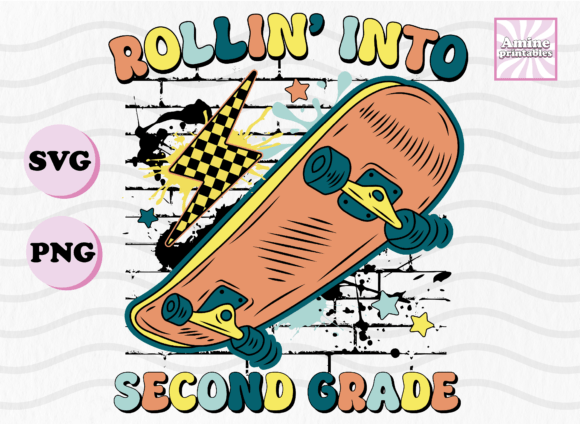
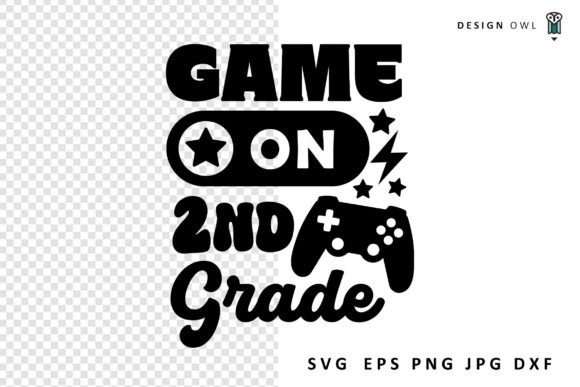
The first impression of Game on Second Grade - School SVG is undeniably energetic. It captures a mood that is playful yet structured, which is a difficult balance to strike in modern design. For brands targeting parents, teachers, or young students, the emotional tone is spot-on. It evokes nostalgia for elementary school days while maintaining a clean, contemporary aesthetic. When evaluating this for a real marketing project, I looked at it through the lens of audience perception. Does it look cheap? Does it look cluttered? Fortunately, the lines are crisp, and the composition allows for ample negative space. This makes it suitable for both casual branding efforts, like Instagram stories, and more polished commercial design applications, such as printable worksheets or classroom decor.
Integrating the Asset into Real Marketing Workflows
In my recent project, we were building a content kit for a small business owner launching a new line of second-grade learning resources. The goal was to create a cohesive visual identity across multiple touchpoints. Game on Second Grade - School SVG became a cornerstone of this strategy. Because the file types include SVG, JPG, PNG, EPS, and DXF, the versatility is immediate. We used the SVG format for web design elements, ensuring scalability without pixelation on high-resolution retina displays. For physical products, the DXF and EPS files were sent directly to cutting machines for sticker production and packaging accents.
This adaptability is crucial for small business branding. You do not want to purchase five different assets for five different platforms. With this single design, we populated social media graphics for Instagram posts and Pinterest pins. The illustration worked exceptionally well as a hero graphic for blog headers, drawing the eye immediately to the title. We also incorporated it into email banners, where it served as a visual anchor that broke up text-heavy layouts. The key here is visual hierarchy. By using this asset as a focal point, we guided the viewer’s attention naturally toward the call-to-action buttons.
Enhancing Brand Identity and Audience Trust
Consistency builds audience trust. When a consumer sees the same high-quality illustration style across your digital ads, product labels, and website headers, it signals professionalism. Game on Second Grade - School SVG supports this by offering a distinct visual signature. In our campaign, we paired the asset with a sans serif font for body copy and a playful handwritten font for headlines. This combination reinforced the brand’s personality: approachable, fun, but educationally serious.
For those creating a Canva template or a digital product bundle, this clipart adds significant perceived value. It transforms a plain text document into a engaging visual experience. Whether you are designing a lead magnet for teachers or a promotional flyer for a back-to-school sale, the asset helps create an emotional connection. It reminds the audience of the joy of learning, which is a powerful driver for engagement in the education niche. Furthermore, using a licensed commercial design asset ensures that your brand identity remains unique and legally protected, avoiding the pitfalls of using generic, overused stock imagery.
Strategic Placement and Design Limitations
While Game on Second Grade - School SVG is a robust tool, a seasoned designer knows that every asset has its limits. It works best in contexts where there is room for it to breathe. I recommend using it in campaign headers, packaging design, and as a decorative element in editorial layouts. However, caution is advised when using it in dense information layouts or small mobile graphics. If the design is scaled down too much, the intricate details may lose clarity, affecting readability.
Additionally, this asset may not suit formal corporate branding or overly minimal brands that rely on stark, monochromatic aesthetics. It thrives in environments that welcome color and personality. When placing it on low-contrast backgrounds, ensure you adjust the colors or add a stroke to maintain visibility. I always test these assets in black and white first to check the structural integrity of the lines. If it holds up in monochrome, it will likely perform well in full color. Also, be mindful of text-heavy ads. If the illustration competes with the main message, the conversion rate may suffer. Always prioritize the core offer, using the graphic to support, not overshadow, the copy.
Practical Notes for Designers and Marketers
Before finalizing any campaign, I run through a checklist. First, test the asset with your specific brand color palette. Does it harmonize or clash? Second, preview it on actual mobile screens. What looks good on a desktop monitor might appear cramped on a smartphone. Third, compare it against competitor visuals. Does Game on Second Grade - School SVG help your brand stand out in the creative marketplace? Finally, always confirm the commercial license terms. Since this is intended for use in paid campaigns, client work, or business branding, ensuring you have the right to use it commercially is non-negotiable.
The file compatibility is a major plus. Being suitable for use with most software packages, including Photoshop, Illustrator, Inkscape, and Cricut Design Space, means you are not locked into one ecosystem. This flexibility is vital for teams that may use different tools for different tasks. For instance, a social media manager might use the PNG in Canva, while a product designer uses the SVG in Illustrator for packaging design. This seamless integration streamlines the workflow and reduces friction in content creation.
In conclusion, Game on Second Grade - School SVG is a strong contender for educators, crafters, and marketers in the school supply niche. It offers a blend of playful charm and professional structure that can elevate marketing visuals significantly. By understanding its strengths and limitations, you can leverage this graphic design asset to create memorable, effective, and visually consistent campaigns. Whether you are refreshing your social media presence or launching a new digital product, this illustration provides the creative spark needed to capture attention and drive engagement.